

-
Moving to a new home? This essential guide helps deaf and hard-of-hearing Australians navigate the moving process with confidence. Learn how to find communication-friendly removalists in Melbourne, Sydney, Brisbane, Perth, and Adelaide, discover which accessibility features to prioritize in your…
-

Creating a Deaf-Friendly Workplace: A Guide for Employers
Deaf and hard of hearing Australians represent a talented, dedicated workforce that many employers overlook due to misconceptions about accommodation costs and communication challenges. In reality, creating a deaf-friendly workplace benefits everyone, often requires minimal investment, and opens your organisation…
-
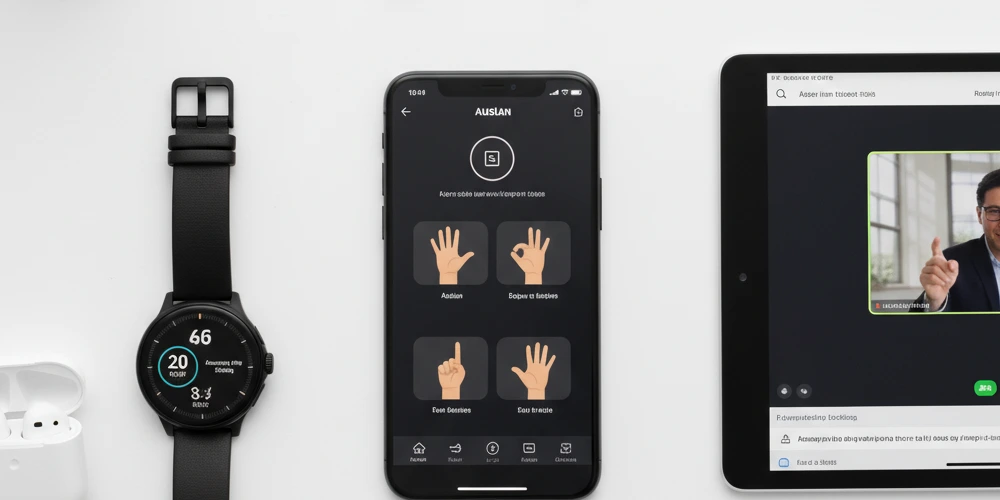
Best Apps and Devices for Deaf Australians in 2025
Technology has revolutionised life for deaf and hard of hearing Australians. From real-time captioning to visual alert systems, today’s apps and devices offer unprecedented independence and communication access. Whether you’re navigating daily conversations, managing emergency situations, enjoying entertainment, or staying…
-

Finding Deaf-Friendly Tradespeople and Home Services in Australia
Whether you need an emergency plumber, an electrician to install visual alert systems, or a handyperson for regular maintenance, finding tradespeople who can communicate effectively is essential. This guide will help you navigate hiring home services as a deaf or…
-

Navigating the NDIS: Support Options for Deaf Students and Workers
The National Disability Insurance Scheme (NDIS) has transformed disability support in Australia, providing individualised funding to help people with disability achieve their goals. For deaf Australians, the NDIS can fund crucial supports for education and employment—from Auslan interpreters to assistive…
-

How to Request an Auslan Interpreter for Medical Appointments and Legal Matters
Effective communication with healthcare providers and legal professionals is essential—and it’s your right. As a deaf Australian, you’re entitled to have an Auslan interpreter present for medical appointments, legal proceedings, and other important interactions. However, many people don’t know how…
-
Understanding Your Rights: Disability Discrimination Act and Deaf Access
As a deaf or hard of hearing Australian, you have legal rights to equal access and opportunity in employment, education, services, and public life. These rights are enshrined in the Disability Discrimination Act 1992 (DDA), a landmark piece of federal…
-

Getting Started with Auslan: A Beginner’s Guide for Families
When you first learn that your child is deaf or hard of hearing, or when you decide to learn Auslan to connect with the Deaf community, the journey ahead can feel both exciting and overwhelming. Perhaps you’ve heard the term…
-

How to Set Up Accessibility Features on Your Smartphone and Computer
Your smartphone and computer are powerful accessibility tools—if you know how to configure them properly. Most modern devices include extensive built-in features designed specifically for deaf and hard of hearing users, but many people don’t realise these features exist or…
-

Choosing the Right Communication Method: Auslan, Oral, or Combined Approaches
One of the most significant decisions facing families with a deaf or hard of hearing child is choosing a communication approach. This choice—whether to pursue Auslan, oral methods, or a combination of both—can feel overwhelming, particularly when you’re navigating new…